 Image 1 of 3
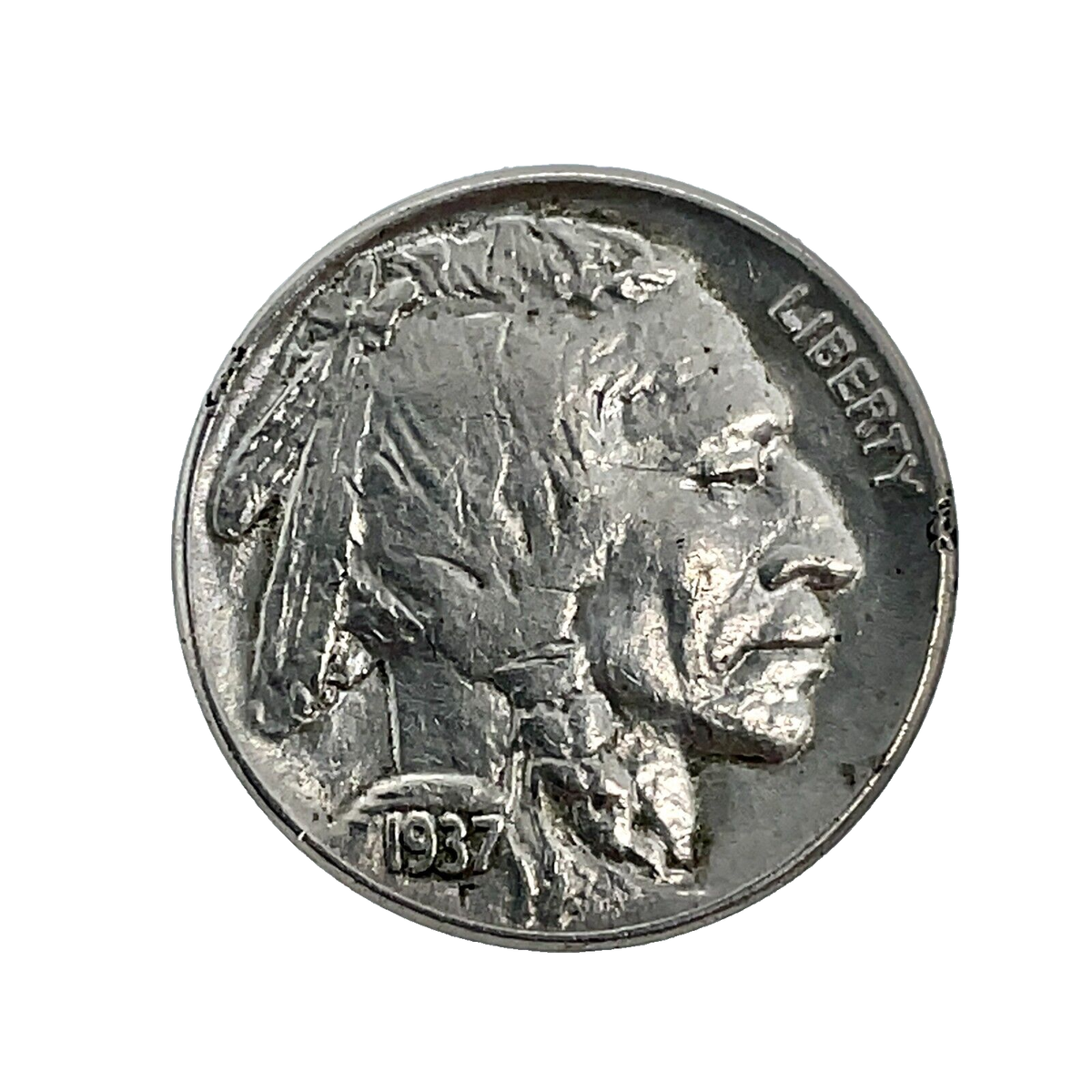 Image 2 of 3
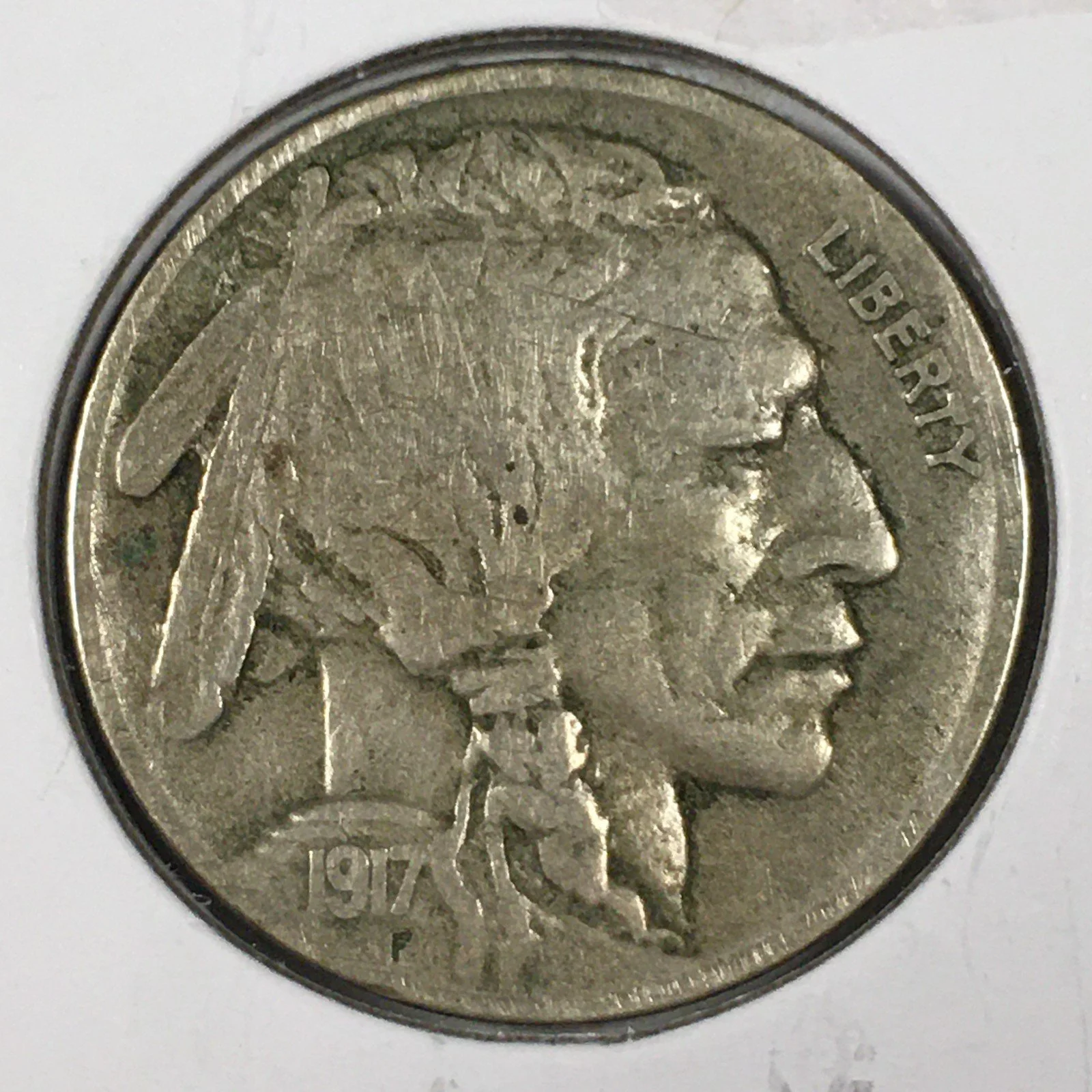 Image 3 of 3
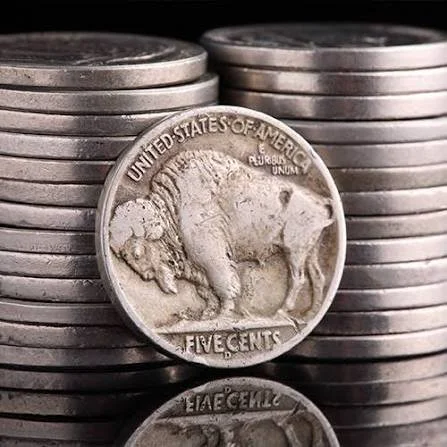
The Buffalo nickel (or Indian Head nickel) is a classic U.S. five-cent coin minted from 1913 to 1938. Designed by sculptor James Earle Fraser, it features a Native American profile on the front and an American bison on the back. Most common circulated pieces are worth $1 to $2, while rare dates or mint marks command high prices. [1, 2, 3]
History and Design
Designer: James Earle Fraser, who included his initial "F" on the obverse near the date.
Type 1 vs. Type 2 (1913): The first-year 1913 coins came in two styles. Type 1 shows the bison standing on a raised mound; Type 2 changed the base to flat ground because the original lettering wore out too fast.
Replacement: Replaced by the Jefferson nickel in 1938.
Value and Collecting
No-Date Coins: Heavily worn coins missing their dates are common and usually worth only about 10 to 25 cents.
Common Dates: Most 1920s and 1930s issues in average worn condition sell for $1–$2.
Key Dates & Errors: Rare finds like the 1918/7-D overdate, 1921-S, or the famous 1937-D "Three-Legged Buffalo" can be worth hundreds or thousands of dollars depending on condition. [1, 2, 3, 4]
If you have a Buffalo nickel, let me know:
What year is stamped on it (if visible)?
Is there a mint mark (D or S) on the reverse side
The Buffalo nickel (or Indian Head nickel) is a classic U.S. five-cent coin minted from 1913 to 1938. Designed by sculptor James Earle Fraser, it features a Native American profile on the front and an American bison on the back. Most common circulated pieces are worth $1 to $2, while rare dates or mint marks command high prices. [1, 2, 3]
History and Design
Designer: James Earle Fraser, who included his initial "F" on the obverse near the date.
Type 1 vs. Type 2 (1913): The first-year 1913 coins came in two styles. Type 1 shows the bison standing on a raised mound; Type 2 changed the base to flat ground because the original lettering wore out too fast.
Replacement: Replaced by the Jefferson nickel in 1938.
Value and Collecting
No-Date Coins: Heavily worn coins missing their dates are common and usually worth only about 10 to 25 cents.
Common Dates: Most 1920s and 1930s issues in average worn condition sell for $1–$2.
Key Dates & Errors: Rare finds like the 1918/7-D overdate, 1921-S, or the famous 1937-D "Three-Legged Buffalo" can be worth hundreds or thousands of dollars depending on condition. [1, 2, 3, 4]
If you have a Buffalo nickel, let me know:
What year is stamped on it (if visible)?
Is there a mint mark (D or S) on the reverse side